





For many modern entrepreneurs, the leap into real estate once required significant capital, years of experience, and a network of contractors and brokers. But the rise of platforms like Airbnb, Vrbo, and Booking.com has opened the door to a new generation of property owners—people who begin with a small side hustle and transform it into a scalable, income-producing asset. What was once a part-time project is rapidly becoming a serious wealth-building strategy powered by automation, data, and smart operational tools.
Short-term rentals (STRs) have grown into a global industry, and the entrepreneurs thriving today are the ones who treat their properties like businesses, not hobbies. From adopting professional systems to leveraging technology, these hosts are finding ways to streamline operations, maximize occupancy, and scale without burning out.
Below is a deep dive into how this transformation is happening—and why it’s becoming one of the most attractive pathways to long-term financial growth.
The Shift from “Extra Income” to Asset-Building Strategy
Short-term rentals first gained popularity as a way for travelers to find unique stays and for homeowners to earn extra cash. What started as a spare bedroom or a small vacation cabin quickly evolved into something much bigger. Many early hosts noticed that a well-run STR could generate significantly more income than a traditional long-term rental.
This realization sparked a movement: entrepreneurial hosts began reinvesting profits into additional properties, staging improvements, and professionalizing their operations. With the right strategy, even a single listing can become the foundation for a scalable rental business.
Why Short-Term Rentals Create Compounding Wealth
Short-term rentals offer several financial advantages that help entrepreneurs build wealth faster than traditional real estate strategies:
1. Higher Revenue Potential
A well-managed short-term rental can earn two to three times more annually than a long-term lease. Seasonal pricing, weekend rates, and special events give hosts flexibility to maximize income.
2. Equity Growth + Cash Flow
As properties appreciate, owners benefit not only from cash flow but also from rising equity—turning each property into a long-term asset.
3. Tax Advantages
Entrepreneurs may benefit from deductions such as furnishing costs, repairs, software subscriptions, utilities, and depreciation.
4. Scalability Without Full-Time Labor
Automation tools, remote teams, and centralized software allow hosts to scale from one to many listings without dramatically increasing their workload.
All of these factors combine to make short-term rentals one of today’s most powerful wealth-building vehicles—when managed strategically.
Technology: The Engine Behind Scalable STR Businesses
The biggest difference between casual hosts and true STR entrepreneurs is their use of technology. As hosts scale beyond one property, manual tasks—guest communication, calendar coordination, cleaning schedules, pricing adjustments—quickly become overwhelming.
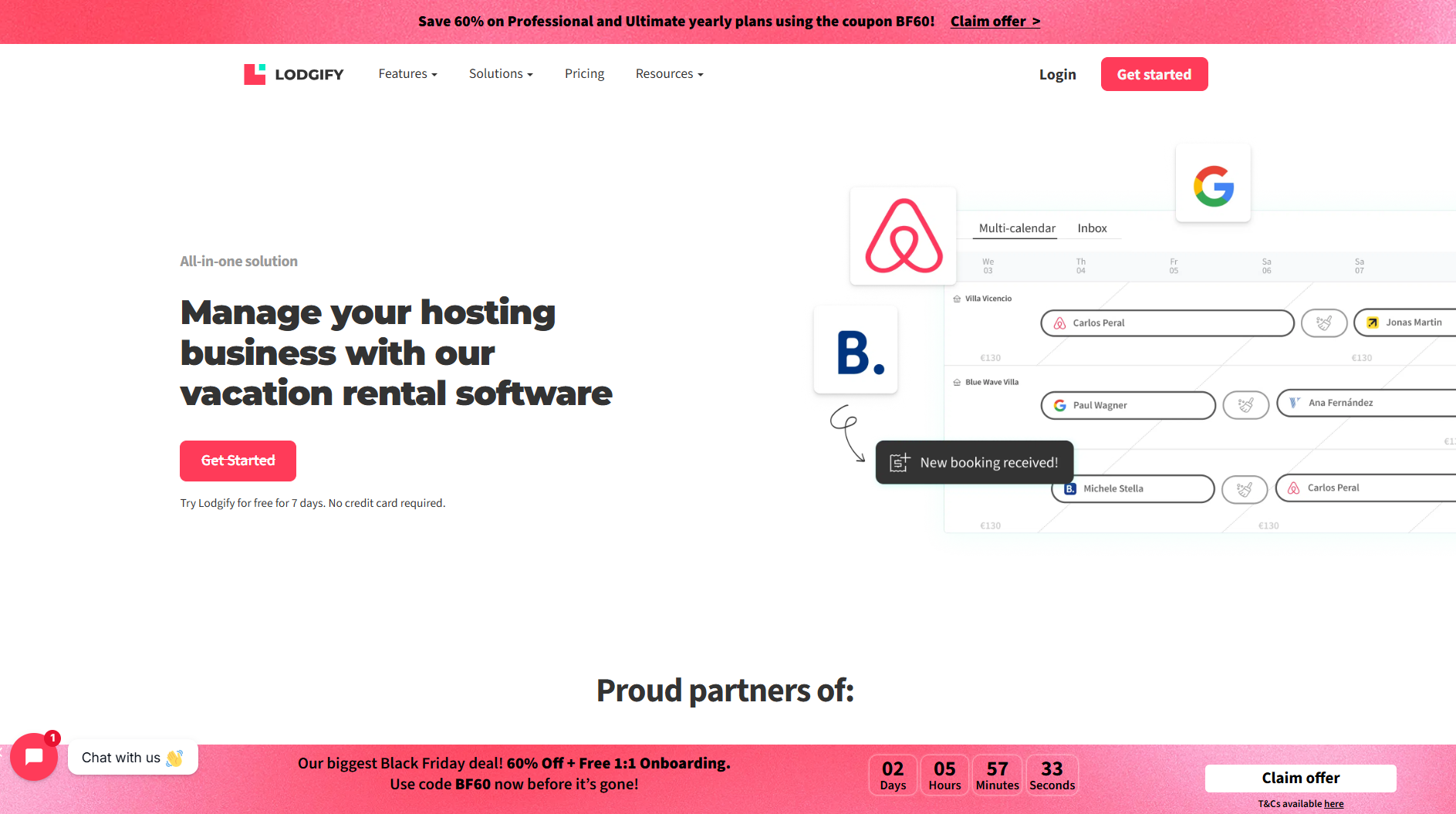
This is why professional investors rely on tools like short-term property management software to centralize and automate daily operations. These platforms act as the command center for the entire business, giving entrepreneurs everything they need in one place.
How Professional STR Software Helps Entrepreneurs Scale
-
Automated messaging: Replies are instant, consistent, and personalized.
-
Unified calendars: Sync bookings across Airbnb, Booking.com, Vrbo, and direct-booking websites.
-
Dynamic pricing: Adjust nightly rates based on demand, seasonality, and local trends.
-
Payment processing & invoicing: Smooth, secure management of guest payments.
-
Direct booking capabilities: Reduce reliance on third-party commissions and build a brand.
-
Operational workflows: Automated cleaning schedules, owner reports, and check-ins.
With the right system in place, a host can operate like a full-scale hospitality brand rather than a part-time amateur.
Standing Out in the Airbnb Economy
As competition grows, hosts must deliver a more refined and consistent experience. Today’s travelers expect professional communication, hotel-level cleanliness, and well-designed spaces. To meet these expectations, entrepreneurs are leveraging Airbnb management software that helps them craft seamless guest journeys from booking to checkout.
These specialized tools make it easier to:
-
Manage multiple Airbnb listings from one dashboard
-
Respond quickly to inquiries
-
Maintain high review scores
-
Prevent double bookings
-
Monitor performance analytics to improve profitability
This level of professionalism not only elevates guest satisfaction but also positions the property as a premium listing capable of generating higher nightly rates.
Building a Brand Beyond Airbnb
Another trend among successful STR entrepreneurs is diversifying beyond third-party platforms. Relying solely on Airbnb or Vrbo limits control, exposes the business to policy changes, and comes with high commission fees.
By using direct-booking websites, hosts create an independent brand that increases margins and builds long-term customer loyalty. Modern management platforms make this simple by offering templates, payment tools, and marketing integrations—turning what used to be a technical challenge into an easy, plug-and-play system.
From One Property to a Portfolio
Scaling an STR business doesn’t require owning dozens of homes. Many entrepreneurs start by mastering a single property, then use that cash flow to:
-
Add additional homes
-
Partner with investors
-
Manage properties for other owners
-
Acquire units through rental arbitrage
With a streamlined workflow and management software, adding new listings becomes a repeatable process rather than a logistical headache.
Conclusion: The Future of STR Entrepreneurship Is System-Driven
Short-term rentals have evolved far beyond the side-hustle era. Today, they represent a fast-growing investment strategy that blends hospitality, automation, and real estate into a powerful wealth-building model.
Entrepreneurs who embrace technology—especially tools like short-term property management software and Airbnb management software—are the ones turning small beginnings into scalable, profitable assets. As traveler demand continues to rise and operational tools become more advanced, the opportunity to build a long-term STR portfolio has never been more accessible.








Leave a Reply